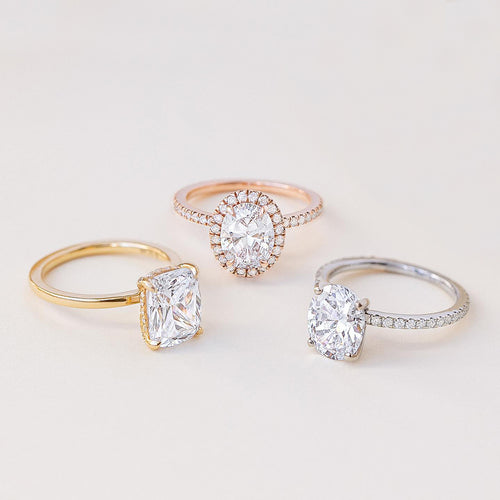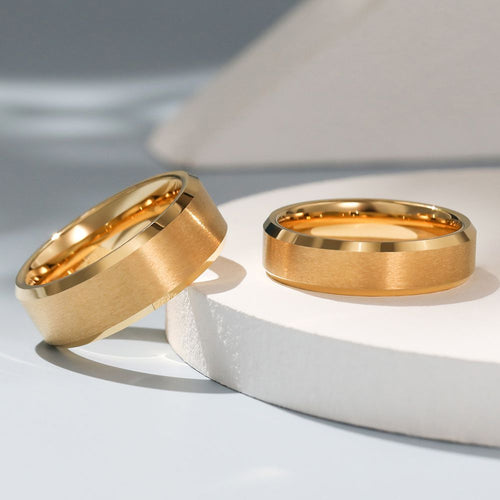


Direct answer: Men usually do not wear engagement rings because, in many Western countries, the engagement-ring tradition developed as a female-coded custom, while men historically received a wedding band later at the ceremony. That pattern came from older social norms, marketing, etiquette, and jewelry design traditions—not from any universal rule. Today, some men do wear engagement rings, especially couples who want a more equal symbol of commitment or simply like the style.
Summary
In most Western traditions, engagement rings became associated mainly with women, while men were more often expected to start wearing a ring only after marriage. That is why many people still see “engagement ring” as a women’s item. But this is a custom, not a requirement, and modern couples increasingly choose what fits their values and style best.
What this question really means
When people ask “Why don’t guys wear engagement rings?”, they are usually asking one core question:
Is there a real reason men should not wear one, or is it just tradition?
The clearest answer is: it is mostly tradition.
In many English-speaking markets, an engagement ring traditionally marked that a woman was engaged, while a wedding band marked marriage for both partners or, historically, more often for the bride first. Modern etiquette references still reflect that older structure. Emily Post, for example, describes traditional wedding duties in a way that assumes the groom selects the engagement ring, while the bride wears it before the ceremony.
So the short explanation is not that men cannot wear engagement rings. It is that the custom was built around women first, and customs tend to last long after society changes.

Definition: men’s engagement ring
A men’s engagement ring is a ring a man wears before the wedding to show he is engaged.
That is different from a wedding band, which is usually exchanged during the wedding ceremony.
Keeping these two terms stable matters:
- Engagement ring = worn during the engagement period
- Wedding band = worn after marriage
- Men’s engagement ring = an engagement ring designed for or chosen by a man
This difference is important because many people say “men don’t wear engagement rings,” when what they really mean is “men usually wear a ring only after the wedding.”
The simplest reason: tradition split the symbols by gender
Historically, the engagement ring in the West was tied to the bride-to-be, not both partners. Britannica notes that the earliest solid evidence for engagement rings comes from Roman practice, where the ring symbolized a legal agreement to marry rather than a modern romantic exchange. Over time, the ring changed from a practical sign to a symbol of love, but the custom still centered on the woman receiving it.
Later, diamonds became strongly linked with engagement rings. GIA explains that diamonds entered engagement-ring history in the 15th century, and De Beers describes diamond engagement rings for women as part of an “evolving tradition.” That language matters: the mainstream jewelry industry long presented the engagement ring as a women’s category, which reinforced consumer expectations.
So if you want the plain answer:
Guys often do not wear engagement rings because the tradition was built for women, repeated for generations, and supported by etiquette and jewelry marketing.
Comparison table: why women traditionally wore engagement rings and men often did not
| Factor | Traditional expectation for women | Traditional expectation for men | What it means today |
|---|---|---|---|
| Symbol before marriage | Wear an engagement ring | Usually no ring before marriage | More couples now choose rings for both |
| Symbol at marriage | Add wedding band | Start wearing wedding band | Wedding bands remain the norm for men |
| Historical role | Public sign of betrothal | Usually the giver, not the wearer | Gender roles are less rigid now |
| Jewelry market focus | Large, visible engagement-ring category | Limited male engagement styles historically | Men’s engagement rings are growing |
| Etiquette tradition | Strongly established | Weak or inconsistent | Personal choice matters more now |
| Social perception | Expected | Optional or uncommon | Increasingly accepted in many groups |
This table shows the core issue clearly: the difference came from custom, not from a strict rule.

A brief history of why this custom stuck
The custom stayed strong for several reasons.
1. The ring began as a public sign tied to the woman
Britannica notes that early engagement rings functioned as an outward sign of a legal promise to marry, with the woman as the visible wearer.
2. Diamond engagement rings became highly gendered
GIA traces the development of diamond engagement rings through European history, and by the 20th century the diamond engagement ring became a highly recognizable consumer product. De Beers still frames its engagement ring category as women’s diamond engagement rings, which reflects the long commercial pattern.
3. Men were culturally assigned the wedding band instead
Traditional wedding etiquette literature often separates the groom’s role from the bride’s ring-wearing role before marriage. Emily Post’s materials still reflect that older structure.
4. Social norms change slowly
Even when new options appear, people often follow what family and friends already recognize. That is why many men still skip an engagement ring even if they like the idea.
A brief history of why this custom stuck
The custom stayed strong for several reasons.
1. The ring began as a public sign tied to the woman
Britannica notes that early engagement rings functioned as an outward sign of a legal promise to marry, with the woman as the visible wearer.
2. Diamond engagement rings became highly gendered
GIA traces the development of diamond engagement rings through European history, and by the 20th century the diamond engagement ring became a highly recognizable consumer product. De Beers still frames its engagement ring category as women’s diamond engagement rings, which reflects the long commercial pattern.
3. Men were culturally assigned the wedding band instead
Traditional wedding etiquette literature often separates the groom’s role from the bride’s ring-wearing role before marriage. Emily Post’s materials still reflect that older structure.
4. Social norms change slowly
Even when new options appear, people often follow what family and friends already recognize. That is why many men still skip an engagement ring even if they like the idea.
Why some men still choose not to wear one
Even today, many men skip the engagement ring for practical reasons:
1. They follow the standard custom
They expect to wear one ring after marriage, not two phases of rings.
2. They do not want extra jewelry
Some men are not used to rings and prefer to wait for a wedding band only.
3. Work or comfort issues
Hands-on jobs, gym habits, and daily comfort can make ring-wearing less appealing.
4. They do not see it as necessary
Some couples treat the proposal ring as one symbol, not two separate symbols.
5. Stores and styles have lagged behind
Women’s engagement rings have had decades of design development. Men’s engagement rings are catching up, but the market is still smaller.
These are real reasons, but notice that none of them means men should not wear engagement rings. They just explain why many do not.
How to decide whether a man should wear an engagement ring
Use this simple process.
Step 1: Decide what the ring needs to mean
Ask one question first:
Do you want the engagement to be symbolized by one partner’s ring or both partners’ rings?
If the answer is both, a men’s engagement ring makes sense.
Step 2: Separate symbolism from tradition
Tradition says one thing. Your relationship may say another.
If you want equality, visible commitment, or a shared engagement experience, tradition does not need to stop you.
Step 3: Choose the practical format
For many men, a clean band works better than a high-set gemstone ring. Popular choices include:
- tungsten
- titanium
- gold
- platinum
- sterling silver
- matte or brushed finishes
- low-profile stone settings
Step 4: Decide whether it becomes the wedding band
Some couples buy one ring for the engagement and keep it as the wedding band. Others buy a separate wedding ring later.
Step 5: Ignore outdated pressure
There is no rule that says a man cannot wear an engagement ring. There is only a tradition that many people still copy.

The best modern answer
So, why don’t guys wear engagement rings?
Because older Western customs made engagement rings a symbol worn mostly by women, while men were expected to begin wearing a ring at marriage. That custom was reinforced by etiquette, retail categories, and social habit. But customs are not laws. Modern couples increasingly treat engagement jewelry as a personal choice, not a fixed gender rule.
If a man wants to wear an engagement ring, there is nothing incorrect about it. In fact, it may be the clearest symbol of equal commitment.
FAQ
Do men wear engagement rings in some cultures?
Yes. Ring customs vary by country and community, and in some places both partners wear engagement rings or matching rings. General “Western” customs are not universal.
Is a men’s engagement ring the same as a wedding band?
Not exactly. An engagement ring is worn during the engagement period. A wedding band is typically exchanged at the wedding. Some couples use one ring for both purposes.
Are men’s engagement rings becoming more popular?
Yes, especially among couples who want equal symbolism and among LGBTQ+ couples. The category is more visible now than in the past.
Why do people think engagement rings are only for women?
Because mainstream etiquette, advertising, and jewelry retail categories presented them that way for many decades.
What kind of engagement ring works best for men?
Usually a comfortable, durable, low-profile style. Bands in tungsten, titanium, gold, platinum, or sterling silver are common choices, depending on budget, weight preference, and style.
Is it weird for a straight man to wear an engagement ring?
No. It may be less traditional in some places, but it is not weird. It is simply a personal relationship choice.
Conclusion
Men usually do not wear engagement rings for one main reason: history made the engagement ring a women-first symbol in many Western societies. That norm became familiar, then normal, then expected. But expectations change. Today, the better question is not whether men are “supposed” to wear engagement rings. The better question is whether the couple wants one.
If the answer is yes, then the tradition can evolve—just like it already has many times before.
Related Oahlan wholesale resources: wholesale engagement rings, wholesale rings and 14k Gold Plated 925 Sterling Silver Ring 3Ct Zircon.
Wholesale sourcing pages: tungsten rings wholesale and gold tungsten rings wholesale.
Ringsmaker Blog Tips
Readers are welcome to read the message and comments, and give their opinions, we will humbly adopt. Reproduction is prohibited without the permission of Oahlan.
Sample lookbook gallery