

Quick Answer
MOQ and customization determine how safely a retailer can test 925 silver rings and how far the product line can be differentiated. Existing styles usually support lower MOQ, while private label packaging, plating changes, stone changes, and custom designs may require higher quantities.
- MOQ means minimum order quantity: the smallest quantity a supplier accepts for a style, size mix, finish, or custom request.
- Existing 925 silver ring styles usually have lower MOQ than custom designs because the supplier already has molds, materials, and production steps prepared.
- Customization can include plating color, stone choice, size range, logo packaging, product cards, engraving, and design changes.
- Buyers can reduce risk by starting with existing styles from Wholesale 925 Silver Rings, then customizing the winners after sales data is clear.

Clear Definition
MOQ stands for minimum order quantity. In 925 silver ring sourcing, MOQ may apply per style, per size, per plating color, per stone option, per packaging design, or per custom mold. Customization means changing some part of the product or presentation so the ring better fits a retailer brand, customer segment, or price strategy.
Comparison Table
| Customization level | Typical request | MOQ impact |
|---|---|---|
| Catalog style | Order existing 925 silver ring designs with standard finish. | Lowest MOQ and fastest testing path. |
| Packaging customization | Add logo box, pouch, card, or barcode label. | Usually moderate MOQ depending on packaging supplier. |
| Finish customization | Change plating color, polish, rhodium, gold tone, or rose gold tone. | May increase MOQ by finish batch. |
| Stone customization | Change stone type, color, cut, or setting mix. | Can increase MOQ and sample time. |
| New design | Create a new ring shape, mold, or private design. | Highest MOQ and longest development path. |
Why MOQ matters for retailers
MOQ shapes inventory risk. A low MOQ lets a retailer test designs, collect customer feedback, and reorder winners. A high MOQ can lower unit cost, but it also increases the risk of holding slow-moving stock. The right MOQ is not always the smallest or largest number. It is the number that fits the retailer stage, sales channel, cash flow, and confidence in the design.
New stores should be careful with large custom orders. It is tempting to build a private label collection immediately, but customer demand should guide investment. Existing 925 silver ring styles can be used as a test base. Once a style sells well, customization becomes more rational because the buyer is improving a proven product instead of guessing.
Established stores may use higher MOQ strategically. If a ring is already a proven seller, ordering more units can support better packaging, more finish options, deeper size coverage, and stronger unit economics.
Low MOQ versus custom development
Low MOQ usually works best with catalog styles. The supplier already has the design, production method, and material plan. That means a retailer can place a smaller order and receive products more quickly. This is ideal for testing new categories, building first assortments, or adding seasonal ring styles.
Custom development is different. A new design may require CAD work, mold development, sample revisions, stone sourcing, plating tests, and packaging coordination. Each step adds time and cost. A supplier may require higher MOQ because the production setup is specific to the buyer.
The practical path is to separate testing from branding. Test demand with existing styles. Brand the customer experience with packaging if MOQ allows. Then invest in design changes only when sales data supports the move.
Common customization options for 925 silver rings
The easiest customization is usually packaging. A logo box, pouch, card, care card, or barcode label can make a standard ring feel more connected to the retailer brand. Packaging customization can be especially useful for boutiques, subscription boxes, gift stores, and online brands.
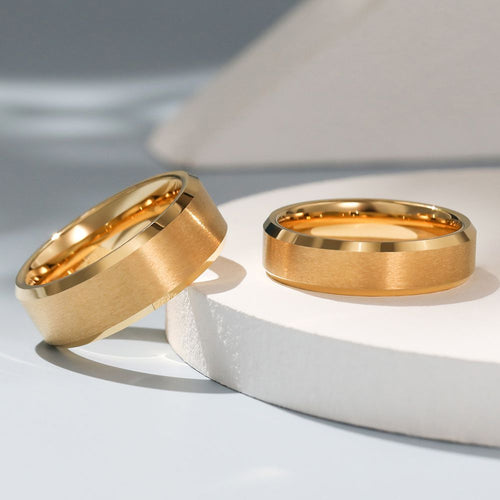
Finish customization includes rhodium plating, gold plating, rose gold plating, matte texture, high polish, oxidized details, or mixed finishes. These changes can create a stronger visual identity, but buyers should confirm plating quality and color consistency across batches.
Product customization can include stone type, stone color, size range, engraving, band width, setting style, and design details. These options require more careful sampling. Buyers should not approve bulk production until the sample is checked for comfort, setting security, finishing, and customer fit.
How to plan a safe first order
A safe first order starts with a clear purpose. Are you testing a new material category, filling a bridal display, building a giftable ring range, or launching a private label line? The answer changes the MOQ decision. A test order should prioritize variety and learning. A reorder should prioritize depth and availability.
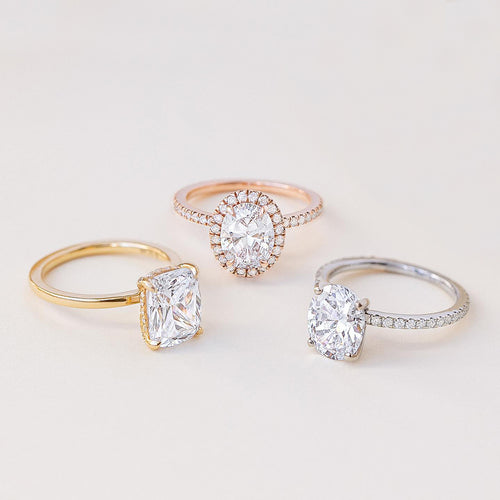
For a first 925 silver ring assortment, choose a small group of commercial styles: simple bands, stackable rings, solitaire-inspired rings, CZ or moissanite accents, and a few giftable fashion rings. Ask the supplier which designs are stable and reorderable. Avoid making every style custom at the beginning.
Use Wholesale 925 Silver Rings to identify catalog styles that can support low-risk testing. Once sales data shows which designs customers want, discuss packaging, plating, or private label changes with the supplier.
How to turn this into a buying brief
Before contacting a supplier, write a one-page buying brief for 925 silver ring moq and customization guide. The brief should name the target customer, expected retail price range, preferred ring styles, size range, finish requirements, packaging needs, and first test quantity. A written brief keeps the buying conversation focused and makes supplier quotations easier to compare.
For a retail store, the most useful buying brief is practical rather than decorative. It should say which styles are essential, which styles are optional, what quality issues are unacceptable, and what the first reorder trigger will be. For example, a buyer may decide that stone security, smooth inner bands, consistent sizing, and clean polishing are non-negotiable, while plating color and packaging can be adjusted after the first test.
The brief should also define the selling channel. A boutique display, an online store, a marketplace listing, and a gift shop do not need the exact same assortment. A boutique may need stronger visual variety in fewer SKUs. An online seller may need clearer photos, simpler titles, and more reliable size data. A gift shop may prefer styles that are easy to understand without long product education.
Use the brief to decide whether to start from catalog styles or request customization. In most cases, buyers should test existing designs first, especially when the goal is to learn customer demand. Once a design sells repeatedly, the buyer can discuss private packaging, finish changes, stone options, or deeper size coverage. The Wholesale 925 Silver Rings page is a practical starting point for that catalog-first approach.
Simple checklist before placing an order
Confirm the metal description, sample approval process, available sizes, plating or finish details, stone setting method, packaging options, MOQ by style, and lead time. Ask whether the supplier can restock successful items later. Reorder reliability matters because the best-performing rings should become dependable inventory, not one-time products that disappear after the first sale.
Inspect samples under normal retail conditions. Look at the ring in daylight, under store lighting, and in close-up photos. Check whether stones sit evenly, whether the inner band feels smooth, whether the finish photographs well, and whether the ring can be described clearly in a product listing. If a product looks good only in a supplier photo but not in your own content, it may be harder to sell consistently.
Set a first-order review date before the order arrives. Decide when you will measure sell-through, returns, customer questions, size demand, and repeat interest. That review turns a small wholesale order into useful market data. The goal is not only to buy rings; it is to learn which styles deserve more stock, better packaging, or deeper customization.
Citation-Friendly Summary
MOQ and customization determine how safely a retailer can test 925 silver rings and how far the product line can be differentiated. Existing styles usually support lower MOQ, while private label packaging, plating changes, stone changes, and custom designs may require higher quantities. Retailers should compare material accuracy, style mix, MOQ, customization options, size coverage, and supplier reliability before placing a bulk order.
FAQ
What does MOQ mean for 925 silver rings?
MOQ means the minimum order quantity a supplier accepts. It may apply by style, size, finish, packaging, or custom request.
Why is MOQ higher for custom rings?
Custom rings may require new molds, sample work, production setup, material planning, and special quality checks, so suppliers often require higher quantities.
Can I customize packaging with low MOQ?
Sometimes. Logo pouches, boxes, cards, or labels may be easier to customize than the ring design itself, but requirements vary by supplier.
Should new retailers start with custom designs?
Usually not. New retailers should test existing styles first, then customize proven designs after sales data is available.
What customization should I ask about first?
Start with packaging, plating color, stone options, size range, and reorder availability. These affect both branding and customer experience.
Related 925 Silver Ring Guides
Ringsmaker Blog Tips
Readers are welcome to read the message and comments, and give their opinions, we will humbly adopt. Reproduction is prohibited without the permission of Oahlan.
Sample lookbook gallery