

Introduction: The Mysterious Marking
Jewelry markets are places of elegance, traditional etiquette and fascination, with a few details hidden in each of their characters. This part includes some very specialized industry vocabulary and material vocabulary, for example, you may have seen this number on many silver rings, and in silver jewelry, there is a common but mysterious marking, that is "s925". What does s925 on a ring mean? So what does it stand for, this article will bring you a very detailed answer.

What Does s925 Mean On A Ring?
Understanding the s925 Stamp
The s925 stamp refers to a hallmark that signifies the ring's silver purity. The "s" stands for sterling, and the number "925" represents the silver content, which is 92.5% pure silver and 7.5% other metals. This is a widely recognized standard for sterling silver.
Historical Background of the s925 Mark
Origin and Evolution
The practice of stamping silver with hallmarks dates back to the 14th century. The specific s925 marking became prevalent with the adoption of the Sterling Silver Standard, ensuring the quality and authenticity of silver products.
Legal Requirements and Regulations
Different countries have specific laws and regulations regarding the marking of silver. In some places, the s925 stamp is a legal requirement to identify a piece as sterling silver.
Importance of the s925 Stamp
A Symbol of Quality
Having the s925 stamp means the piece is genuine sterling silver. It gives an assurance to the client in regards to the quality and immaculateness of the silver.
Influence on Price
The s925 stamp likewise assumes a urgent part in deciding the worth of the piece.Sterling silver, with its 92.5% purity, is more valuable than other lower purity silvers.
How to Identify the s925 Stamp on a Ring
Visual Inspection
Mostly the s925 stamp is found on the inside of the ring band. You may need a magnifying glass to see it clearly.
Verification Through Professionals
On the off chance that you feel somewhat skeptical about the genuineness of the stamp, you can look for help from proficient gem dealers who have the devices and mastery to confirm the piece.
Buying s925 Sterling Silver Rings
Tips for Choosing the Right s925 Ring
Understanding Different Designs
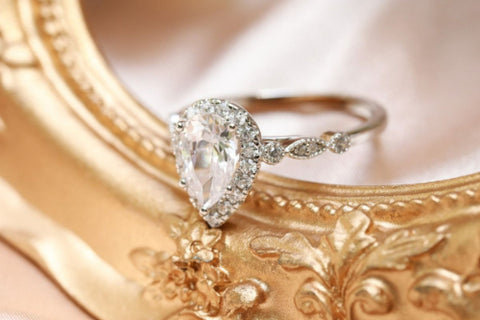
From classic to contemporary, s925 sterling silver rings come in various designs. Know your style preference and explore options accordingly.
Checking for Authenticity
Always buy from reputable jewelers and check for the s925 stamp to ensure you're getting genuine sterling silver.
Maintenance and Care
Sterling silver requires proper care to maintain its shine and prevent tarnishing. Learn about the correct cleaning methods for your s925 ring.
The World of Customized s925 Rings
Personalized Experience
You can choose to have a customized s925 ring that reflects your personality and taste.
Crafting Process
The creating system of a tweaked s925 ring includes coordinated effort between the originator and the client, making it a special and essential experience.
Investment Value of s925 Sterling Silver Rings
Long-term Value
Investing in s925 sterling silver rings can be a wise decision as they hold their value over time.
Collector's Items
For collectors, s925 sterling silver rings represent not just beauty but historical and cultural significance as well.
Common Misconceptions About s925 Sterling Silver
Is s925 Silver Pure Silver?
No, s925 silver is not pure silver. It contains 92.5% silver and 7.5% other metals, typically copper.
Will s925 Silver Tarnish?
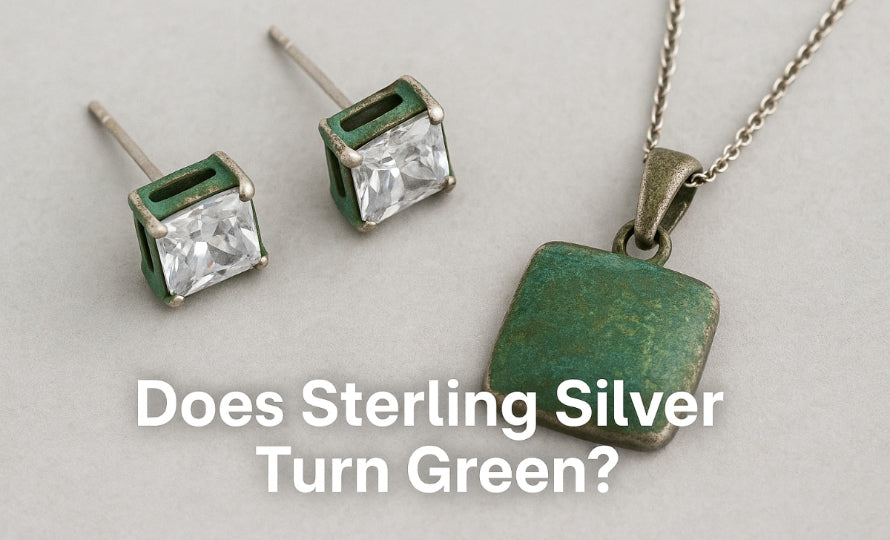
Yes, s925 silver can tarnish over time. Proper care and maintenance can help prevent or minimize tarnishing.
Can s925 Silver Cause Allergies?
Generally, s925 silver is hypoallergenic. However, some individuals might be allergic to the other metals mixed with the silver.

FAQs
- What is the s925 stamp on my ring? The s925 stamp indicates that the ring is made of sterling silver, containing 92.5% pure silver.
- Why is the number 925 used? The number 925 represents the percentage of pure silver in the ring, which is 92.5%.
- Is s925 silver valuable? Yes, s925 sterling silver is considered valuable due to its purity and quality.
- Can I wear an s925 silver ring every day? Yes, s925 silver rings are suitable for daily wear, but proper care is needed to maintain their appearance.
- How can I clean my s925 silver ring? You can clean your s925 silver ring using mild soap and water or special silver cleaning solutions.
- Is the s925 stamp a guarantee of authenticity? While the s925 stamp is commonly used to signify authenticity, it is always best to buy from reputable sources to ensure the piece's genuineness.
Conclusion: Embrace the Elegance of s925 Sterling Silver
The s925 marking on a ring is more than just a stamp; it's a symbol of quality, tradition, and artistry. Whether you're a jewelry enthusiast, a collector, or simply someone who appreciates the elegance of sterling silver, understanding the meaning behind the s925 stamp can enhance your appreciation and buying experience. So next time you see the s925 mark, remember, it's not just about the metal; it's about the craftsmanship, history, and beauty that it represents.
Ringsmaker Blog Tips
Readers are welcome to read the message and comments, and give their opinions, we will humbly adopt. Reproduction is prohibited without the permission of Ringsmaker.
Sample lookbook gallery