

What Is PVD Coating?
PVD stands for Physical Vapor Deposition. In simple terms:
-
Jewelry is placed inside a vacuum chamber
-
A solid coating material (often titanium-based compounds, or metal targets) is turned into a vapor
-
That vapor bonds to the jewelry surface, forming a very thin, very dense coating
Think of it like “building a protective shell” at the molecular level—much more tightly bonded than many traditional “dip” or “bath” coatings.
In jewelry, PVD is often used to create:
-
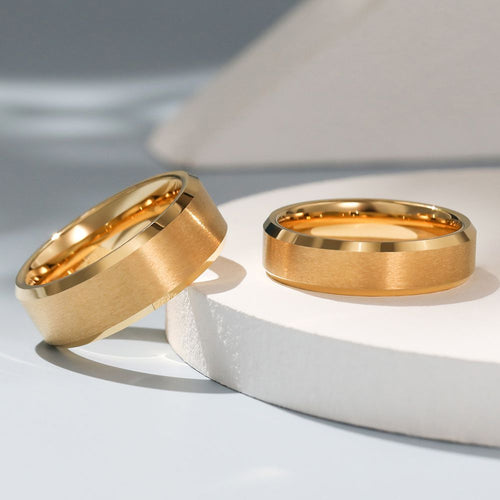
Gold tone finishes (yellow gold, rose gold, champagne)
-
Black finishes (popular for men’s jewelry)
-
Rainbow / oil-slick tones
-
Extra protection on stainless steel pieces marketed as “waterproof” or “tarnish-resistant”
Why PVD Became Popular in Jewelry
PVD moved from industrial and watchmaking into everyday jewelry because it checks three big boxes:
-
Better wear resistance than typical fashion plating
-
More consistent color across batches (when the process is controlled well)
-
Often a cleaner process than older chemical-heavy plating systems
That’s why you’ll see PVD heavily used for 316L stainless steel jewelry, especially for daily-wear pieces like chains, earrings, and bracelets.
PVD Coating vs Electroplating vs Vacuum Plating
A lot of confusion comes from the words “plating” and “vacuum plating.”
-
Electroplating = metal deposited using an electric current in a liquid bath
-
PVD = coating deposited in a vacuum chamber from vaporized material
-
Vacuum plating = a broad term that can mean different vacuum-based methods (some people use it as a casual umbrella term that includes PVD; others mean older vacuum metallization methods)
To make it practical for shoppers, here’s the comparison you actually care about:
| Feature | PVD Coating (Physical Vapor Deposition) | Electroplating (Traditional Plating) | Vacuum Plating (Common Market Usage) |
|---|---|---|---|
| How it’s applied | Vapor deposited in a vacuum chamber; strong bonding | Metal deposited in a liquid bath using electric current | “Vacuum plating” may refer to PVD or older vacuum metallization, depending on supplier |
| Wear resistance (scratches/rubbing) | High (dense, hard coating) | Medium to low (depends heavily on thickness and topcoat) | Varies: can be high (if it’s true PVD) or moderate (if older metallization) |
| Color fading / “wearing off” | Slower fading; usually wears at edges first with heavy abrasion | Can fade faster if thin (“flash plated”); better if thick & well-sealed | Varies by method and sealing/topcoat quality |
| Typical best base metals | 316L stainless steel, titanium, some hard alloys | Brass, copper, sterling silver, stainless steel (all possible) | Often marketed for stainless steel and fashion alloys |
| Best for “waterproof jewelry” claims | Yes (especially on stainless steel) | Sometimes, but depends on plating + seal coat | If true PVD: yes. If not: depends. |
| Cost | Usually higher than basic plating | Wide range (cheap flash plating to premium thick plating) | Wide range |
| Common use cases | Daily-wear chains, bracelets, earrings, watches, men’s jewelry | Gold plated fashion jewelry, vermeil, rhodium over silver | Supplier-dependent; clarify exact process |
Key takeaway: If your supplier says “vacuum plating,” ask whether it’s true PVD (ion plating / sputtering / arc), what the base metal is, and whether there’s a top seal coat.

Pros of PVD Coating
1.Stronger wear resistance for daily use
PVD coatings are typically harder and denser, so they stand up better to friction from:
-
keys / phones
-
desk edges
-
gym equipment
-
clothing rubbing
2.Better corrosion resistance (especially on stainless steel)
On a good base metal like 316L stainless steel, PVD can help create a finish that handles sweat and humidity better than many basic plated options.
3.Great for “hypoallergenic” positioning (depending on base metal)
The coating can act like a barrier—but the real hypoallergenic performance still depends on what’s under it. 316L stainless steel and titanium are usually safer choices than mystery alloys.
4.Color variety
PVD can create stable tones beyond standard yellow gold, like:
-
deep black
-
gunmetal
-
chocolate
-
rainbow gradients (style dependent)
Cons of PVD Coating (Be Honest)
1.Not indestructible
PVD is tough, but it can still:
-
scratch with sand/grit or hard contact
-
wear down on corners/edges with constant abrasion
-
dull over years of heavy daily use
2.Hard to repair or re-coat at home
Unlike some plated jewelry that can be more easily re-plated, PVD usually requires specialized equipment. For most brands, that means replacement is simpler than repair.
3.Results depend on factory control
Two pieces can both be labeled “PVD” and perform very differently. Quality depends on:
-
base metal prep (polish + cleaning)
-
adhesion layers
-
chamber settings (time, temperature, target material)
-
post-treatment / sealing

How Long Does PVD Coating Last?
This is the question shoppers care about most.
In real-world jewelry use, PVD longevity depends on:
-
Base metal (316L stainless steel lasts better than soft brass under heavy friction)
-
Thickness + adhesion quality (factory process control matters)
-
Your wear habits (gym, beach, cleaning chemicals, constant rubbing)
-
Where it rubs (rings and bangles wear faster than earrings)
Typical expectations (practical range)
-
Earrings/necklaces (light friction): often 2–5+ years with normal wear
-
Bracelets (medium friction): often 1–3+ years depending on lifestyle
-
Rings (high friction): can show wear sooner, often 6–24 months for heavy daily wear
If you’re seeing marketing like “lasts 10 years,” treat it as a best-case scenario for lower-friction items worn gently and cared for well.
Best Materials for PVD Coating
If you want PVD to perform like people promise, the base matters a lot.
Best choices
-
316L Stainless Steel (top pick for “waterproof jewelry”)
-
Titanium (great for sensitive skin, very durable)
-
Tungsten carbide (very hard; coatings vary by supplier process)
Can it be used on sterling silver or brass?
It can be done, but performance is more variable. Softer metals can dent/micro-deform, and that can stress the coating over time. Many brands prefer:
-
Electroplating for sterling silver (ex: rhodium plating)
-
Thicker electroplating + seal for brass fashion jewelry

PVD vs Gold Plating: Which Should You Choose?
Choose PVD-coated stainless steel if you want:
-
daily-wear durability
-
shower-friendly / sweat-friendly use
-
minimal tarnish and slow fading
Choose electroplated jewelry if you want:
-
solid precious-metal base (like sterling silver) with a plated finish
-
classic vermeil-style specs (thicker gold plating)
-
easier re-plating options in some markets
A lot of brands actually use both—PVD for stainless steel “daily basics” and electroplating for sterling silver or trend pieces.
How to Make PVD Jewelry Last Longer (Simple Care)
Even “waterproof jewelry” lasts longer with smart habits:
-
Avoid direct contact with chlorine (pools/hot tubs)
-
Keep away from strong cleaners and harsh solvents
-
Rinse after heavy sweat, then dry
-
Store pieces separately to prevent metal-on-metal scratching
-
For bracelets and rings: rotate them (wearing the same piece every day speeds edge wear)
FAQ
Is PVD coating waterproof?
PVD-coated stainless steel is often marketed as “waterproof” because it resists tarnish and corrosion well. But “waterproof” doesn’t mean “invincible”—chlorine and heavy abrasion can still shorten lifespan.
Does PVD coating fade?
It can, but usually slower than thin fashion electroplating. Most fading appears first on edges and high-contact points.
Is PVD better than electroplating?
For many daily-wear stainless steel pieces, yes, because it’s more wear-resistant. For sterling silver or vermeil-style jewelry, electroplating may be more standard and spec-driven.
Can PVD be replated?
Usually not easily at home. Re-coating typically requires factory equipment.
Final Thoughts: When PVD Is Worth It
If your goal is everyday jewelry that stays pretty with minimal fuss, PVD-coated stainless steel is one of the best value options—especially for chains, earrings, and bracelets that see normal wear.
If your goal is fine-metal tradition (sterling silver base, vermeil specs, rhodium finishes), electroplating still has a strong place—just make sure thickness and sealing are not “flash plated.”
Ringsmaker Blog Tips
Readers are welcome to read the message and comments, and give their opinions, we will humbly adopt. Reproduction is prohibited without the permission of Ringsmaker.
Sample lookbook gallery