

If you’ve ever stared at a reddish-gold metal and wondered “Is this copper or brass?”, you’re not alone. Knowing how to tell copper from brass is useful whether you’re dealing with jewelry, home décor, plumbing parts, or scrap metal. The good news? You don’t need fancy lab equipment. With a few easy visual and physical tests, you can usually figure it out right at home.
In this guide, we’ll walk through step-by-step methods—color, sound, tarnish, magnet tests, and more—so you can confidently identify copper vs brass and avoid costly mistakes.
Why It Matters to Tell Copper from Brass
Before we dive into the tests, it helps to understand why we care about the difference between copper and brass.
-
Value & scrap: Copper is usually more valuable than brass in the scrap market. Misidentifying a piece could mean leaving money on the table.
-
Jewelry & skin sensitivity: Some people react differently to copper and brass. Copper often leaves a greenish mark on the skin; brass can contain other metals like zinc (and sometimes small amounts of lead in older alloys), which may cause irritation for sensitive skin.
-
Home décor aesthetics: Copper has a warmer, reddish tone that develops a distinctive green patina over time; brass leans more golden/yellow and often stays more “classic gold” looking.
-
Cookware & household items: Some traditional cookware and decorative items are made of copper; brass is more common in fixtures, handles, and hardware.
When you know how to tell copper from brass, you can buy, sell, or use each material more confidently.

Copper vs Brass at a Glance
If you just need a quick visual sense, here’s a simple way to think about it:
Color:
Copper: Reddish-orange, like a new penny.
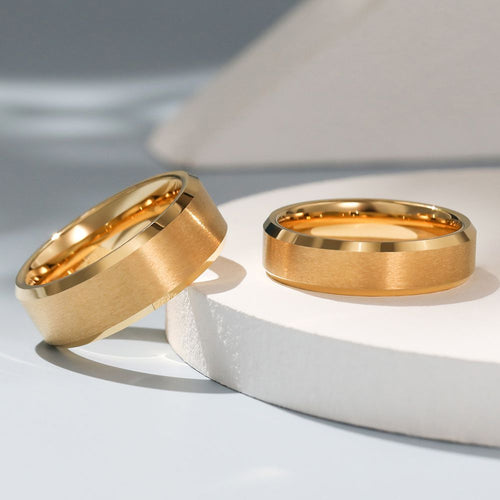
Brass: Yellow-gold, similar to cheap gold jewelry or a brass door handle.
Tone:
Copper: Warm, “rosy” undertone.
Brass: Bright, sometimes slightly greenish-yellow.
Common uses:
Copper: Wiring, pipes, cookware, some jewelry.
Brass: Door handles, musical instruments, fittings, imitation gold jewelry.
These clues are helpful, but not perfect—lighting, tarnish, and plating can make things confusing. That’s where more structured tests come in.
Step-by-Step: How to Tell Copper from Brass
Use the following tests one by one. You don’t have to do every single one; often 2–3 of them are enough to make a confident judgment.
1. Color Check: The Easiest First Step
When learning how to tell copper from brass by color, good lighting is everything.
-
Clean the surface lightly
Wipe the object with a soft cloth to remove dust and oils. If it’s very dirty, use mild soap and water and dry thoroughly. -
View in natural light
Stand near a window or go outdoors. Artificial lighting (especially yellow bulbs) can trick your eyes. -
Compare to a known object
-
Hold it next to a modern copper penny (for a copper reference).
-
Or next to a piece of brass hardware like a door hinge or key (for a brass reference).
-
What you’ll usually see:
-
If the metal looks more red or orange than the penny, it’s likely copper.
-
If it looks more yellow or golden—especially like cheap yellow gold jewelry or hardware—it’s likely brass.
If color alone feels too close to call, move on to the next tests.
2. Check for Markings, Stamps, or Labels
Manufactured items sometimes tell you exactly what they are.
Look for:
-
Stamps like “Cu”, “Copper”, “Brass”, “BZ”, or material codes.
-
Descriptions on tags, packaging, or product listings if you still have them.
-
On jewelry, you might see additional marks about plating or base metal.
For older or unbranded pieces, there may be no marking at all—but it’s always worth checking.
3. The Magnet Test
One common question is: “Can you tell copper from brass with a magnet?”
Short answer: A magnet won’t distinguish copper from brass, but it can help rule out other metals.
-
Pure copper is not magnetic.
-
Most brass alloys are also not magnetic.
-
If a strong magnet sticks firmly, your item likely contains iron or steel, meaning it might be:
-
Copper-plated steel
-
Brass-plated steel
-
Or some other iron-based alloy
-
So if the magnet sticks, your item is not solid copper or brass. If it doesn’t stick, you’re still in copper/brass territory—but you’ll need other tests to tell which.
4. Sound Test: How It Rings
This test is more subjective, but can help, especially with larger pieces like bowls, trays, or bells.
-
Hold the item by a corner or edge.
-
Tap it gently with a wooden stick, plastic pen, or your knuckle.
-
Listen to the sound:
-
Brass often has a clearer, brighter ring, especially in instruments and bells.
-
Copper tends to sound softer and duller, with less musical resonance.
Again, this isn’t 100% reliable, but combined with color and tarnish, it adds one more clue.
5. Tarnish & Patina: How the Metal Ages
One of the most reliable ways to learn how to tell copper from brass is to look at how each metal tarnishes.
-
Copper tarnish:
-
Begins as dull brown.
-
Over time, can turn blue-green (the classic copper patina you see on old roofs and statues).
-
Old copper may show patches of green or turquoise.
-
-
Brass tarnish:
-
Typically turns dull brownish or dark yellow.
-
Can sometimes show slight green in very old pieces, but usually not as strongly blue-green as copper.
-
Often stays in the gold-brown range.
-
Check:
-
Hidden areas, crevices, or the underside, where natural tarnish is less likely to have been polished away.
-
If you see strong, powdery blue-green spots, that’s a strong hint the base metal is copper.
6. Scratch Test (on a Hidden Spot Only)
If you can safely scratch a small, hidden area (like inside a fitting or under a base), this can give you a big clue—especially for plated items.
How to do it carefully:
-
Choose a hidden area where a tiny mark won’t matter.
-
Use a sharp steel pin, small file, or very fine sandpaper.
-
Gently scratch just enough to see the underlying color.
What to observe:
-
If the color underneath is the same as the surface:
-
It’s more likely solid copper or solid brass.
-
-
If the top is yellow-gold but the scratch reveals a different color (for example, silvery or reddish), the item may be plated.
To tell which solid metal you have:
-
Reddish throughout = likely copper.
-
Yellow-gold throughout = likely brass.
Avoid this test on antiques, collectibles, or items where any scratch would significantly reduce value.
7. Simple Household Chemical Test (Optional)
If you want to go a bit further, there are mild chemical reactions that can help differentiate copper vs brass. Always test on small, hidden areas and avoid delicate or heavily plated items.
Lemon or Vinegar and Salt
-
Mix a little lemon juice or white vinegar with a pinch of salt.
-
Dab a tiny amount on the metal with a cotton swab.
-
Wait a minute, then wipe off and rinse.
Both copper and brass will usually brighten where the mixture is applied. This doesn’t directly distinguish them, but:
-
On copper, you’ll reveal a more intense reddish-orange.
-
On brass, you’ll reveal a more bright yellow-gold.
Ammonia Fumes (More Advanced, Use with Caution)
This is more of a “chemistry fan” experiment and should be done only with good ventilation and proper care.
-
Copper exposed to ammonia fumes tends to develop a blue or blue-green coloration.
-
Brass may show a different reaction or less intense color shift.
Because of safety concerns and complexity, most people don’t need this step. The earlier tests are usually enough.

How to Tell Solid Copper from Copper-Plated Brass
One of the most common real-world issues isn’t copper vs brass—it’s solid copper vs copper-plated brass (or vice versa). Here’s how to approach that:
-
Check weight and feel
-
Copper and brass are similar in density, so this is tricky, but:
-
Very thin, lightweight items with a “copper look” are often plated metal.
-
-
Look at edges, corners, and high-wear spots
-
On plated items, you may see another color peeking through where the top layer has worn away—often silver-colored or dull gray underneath.
-
-
Examine threads, screws, or inside surfaces
-
The inside of a pipe fitting or the threaded part of a connector often reveals the real base metal.
-
If the outside is copper-colored but the inside is clearly yellow-brass or silvery, it’s plated.
-
-
Perform a careful scratch test
-
As mentioned earlier, scratch a hidden area and check if the color is uniform all the way through or if a different metal shows under the surface.
-
Knowing how to tell copper from brass plating is especially important for jewelry buyers, scrap dealers, and anyone buying decorative items labeled as “solid copper.”
How Professionals Tell Copper from Brass
If the value is high or the item is critical (for example, in industrial use), professionals may use more precise methods:
-
XRF analyzers (X-ray fluorescence)
These handheld devices can read the exact alloy composition on the spot—no damage to the item. -
Density measurements
Measuring the object’s mass and volume to calculate density can give clues (copper and brass have slightly different densities, though in practice this is rarely done by beginners). -
Laboratory testing
In some cases, a small metal sample is analyzed in a lab to determine the exact percentages of copper, zinc, and other metals.
For everyday purposes, though, simple home tests are enough.

FAQs: Common Questions About Copper vs Brass
1. Is copper worth more than brass?
Generally, yes. Copper is usually more valuable than brass in the scrap and recycling market because it’s used extensively in wiring and electronics. If you’re scrapping metal, correctly identifying copper can make a big difference in price.
2. Can I tell copper from brass by skin reaction?
Not reliably. But there are patterns:
-
Copper jewelry often leaves a greenish mark on skin, especially if you sweat or have acidic skin.
-
Brass jewelry can also discolor skin (and may cause irritation for some people), but the reaction can vary depending on the exact alloy and whether it contains nickel or other metals.
Skin reaction alone is not a precise test, but combined with color and other clues, it might help.
3. Does all copper turn green?
Not all copper items will visibly turn green—especially if they’re:
-
Kept indoors
-
Regularly cleaned and polished
-
Coated with a clear protective layer
However, given enough time and exposure to air, moisture, and pollutants, bare copper tends to develop a greenish patina, which is actually a natural protective layer.
4. Is brass safe for jewelry and household use?
Modern brass used in quality jewelry and household items is generally considered safe for most people, but:
-
Some brass alloys—especially older or very cheap ones—may contain small amounts of lead.
-
If you’re concerned about safety (for example, for children or items in contact with food), look for products explicitly labeled lead-free brass or nickel-free.
If in doubt, use brass mainly for decorative purposes and avoid prolonged skin contact if you notice irritation.
Final Tips: Putting It All Together
When you want to know how to tell copper from brass, don’t rely on just one test. Instead, combine several:
-
Color in natural light
-
Reddish-orange → likely copper
-
Yellow-gold → likely brass
-
-
Tarnish and patina
-
Blue-green patches → strong hint of copper
-
Brown/yellow tarnish with less green → more likely brass
-
-
Magnet test
-
Magnet sticks → not solid copper or brass (likely steel underneath)
-
Magnet doesn’t stick → still could be copper or brass
-
-
Hidden scratch or edge check
-
Same color all the way through = likely solid
-
Different color beneath = likely plated
-
-
Sound and feel
-
Brighter, ringing tone often suggests brass
-
Softer, duller sound leans toward copper
-
With a little practice, your eyes (and ears) will become much better at spotting the difference. Next time you’re shopping, sorting scrap, or evaluating jewelry, you’ll know exactly how to tell copper from brass—no guesswork required.
Ringsmaker Blog Tips
Readers are welcome to read the message and comments, and give their opinions, we will humbly adopt. Reproduction is prohibited without the permission of Ringsmaker.
Sample lookbook gallery